

Heating capacity
How to match heater output to room size
Area gives a first estimate; ceiling height and heat loss decide whether that estimate is realistic.
Updated:
The short answer
Start with room area, but also consider ceiling height, external walls, windows, insulation and outdoor temperature. Decide whether the heater will supplement an existing system or heat the room on its own. Compare these conditions with the exact model's stated use and installation requirements; an area rating alone is not a heating guarantee.
Calculate the space, then note heat loss
Record floor area and ceiling height. Add context for corner rooms, large windows, drafts and poorly insulated surfaces.
Decide primary or supplementary use
A heater supporting an existing system has a different load from an appliance expected to warm a cold room by itself.
Leave room for real conditions
Very cold weather and frequent door opening increase demand. Use the model's stated limits and avoid treating a rough rule as a guarantee.
Room sizing checklist
- Measure area and ceiling height.
- Count exterior walls and significant glazing.
- Assess insulation, drafts and outdoor conditions.
- Compare the estimate with the model's documented use.
Common mistakes
- Using area while ignoring high ceilings.
- Treating supplementary and primary heating as the same load.
- Expecting a nominal estimate to guarantee a target temperature.
Models to compare
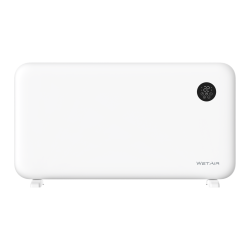

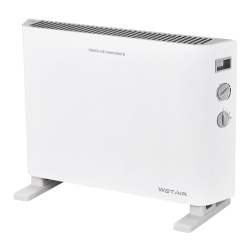
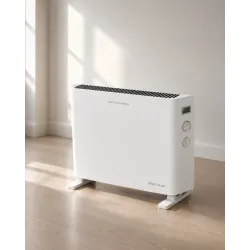
WetAir manuals and support
Check the exact model requirements
For unusual rooms or uncertain electrical capacity, consult a qualified specialist and verify the selected model manual before use.
Sources and review
The guide frames sizing as an estimate and defers exact output, placement and electrical limits to verified WetAir manuals.
Frequently asked questions
Can I choose a heater from square metres alone?
No. Area is a first filter; ceiling height, insulation, glazing, outdoor conditions and the heater's role matter.
Why do two rooms of the same area need different output?
They can have different ceilings, exterior walls, windows, drafts and insulation, all of which change heat loss.
Should I always choose the highest output?
No. Choose a suitable documented range and then compare control, placement and electrical requirements.